Getting hired today is not just about your degree. Most employers will look past your certificates if you cannot show them what you can actually do.
This is not a new trend. But it has become more visible now that job markets are competitive and companies cannot afford to hire people who need months of handholding before they become useful.
If you are a student, a fresh graduate, or someone looking to switch roles, this guide covers the skills that genuinely matter in 2026 — and what you can do to build them.
Why Qualifications Alone Are Not Enough in 2026?
Think about it from the employer’s side. They may receive 500 applications for one opening. Half of those applicants have similar educational backgrounds. The ones who move forward are almost always the ones who can demonstrate a skill that solves the company’s problem.
Skills show what you can do right now. Qualifications show what you studied years ago. Both matter, but skills carry more weight in interviews and on the job.
1. Communication
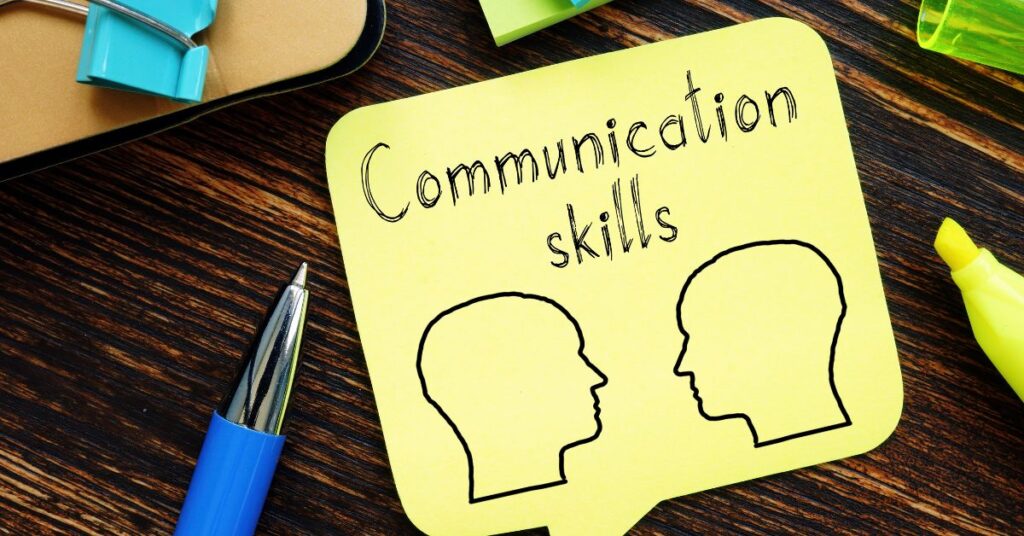
This one comes up on every employer survey and for good reason. Poor communication causes delays, misunderstandings, and costly mistakes.
Good communication is not just about speaking confidently. It includes writing clear emails, listening without interrupting, explaining technical information to non-technical people, and staying calm when giving or receiving feedback.
How to Improve It
- Write more frequently—emails, reports, journals, or even a personal blog.
- Join a public speaking club or volunteer to present during meetings.
- Review your writing carefully before sending it and focus on clear, concise phrasing.
- Read high-quality articles, books, and reports to expand your vocabulary and communication style.
- Seek feedback from colleagues, mentors, or friends to identify areas for improvement.
Looking for More Assam Government Jobs?
Explore our Latest Government Jobs page for the newest vacancy announcements and stay updated with the latest government job opportunities across Assam.
2. Problem-Solving
Companies do not hire people to follow instructions blindly. They hire people to think.
Problem-solving means you can look at a situation, figure out what is actually wrong, consider a few options, and move forward without needing someone to walk you through it every time.
How to Improve It
- When you face a problem, write down what you already know.
- Identify the information you do not know or need to find.
- List all possible options or solutions available to you.
- Evaluate each option before making a decision.
- Practice this approach consistently until it becomes a natural habit.
3. Digital Literacy
You do not need to be a developer. But you do need to be comfortable with technology.
Most jobs in 2026 use some combination of spreadsheets, email, cloud tools, video calls, and project management software. If you slow down because you cannot figure out a basic tool, that is a problem.
How to Improve It
- Learn Google Workspace and Microsoft Office beyond the basic features.
- Practice using advanced tools that improve productivity and workplace efficiency.
- Make it a goal to learn one new software tool or feature every few months.
- Explore free online tutorials, courses, and guides to build your skills.
- Apply what you learn through real projects to strengthen your proficiency.
4. Adaptability
Businesses change. Roles change. Tools change. The employees who struggle most are the ones who resist change or shut down when something unexpected happens.
Employers value people who can adjust without a long adjustment period.
How to Improve It
- Challenge yourself by stepping outside your comfort zone regularly.
- Volunteer for projects and responsibilities beyond your usual scope of work.
- View new challenges as opportunities to learn and grow.
- When workplace changes occur, focus on factors you can control and influence.
- Develop a flexible mindset to adapt effectively to unexpected situations.
5. Teamwork
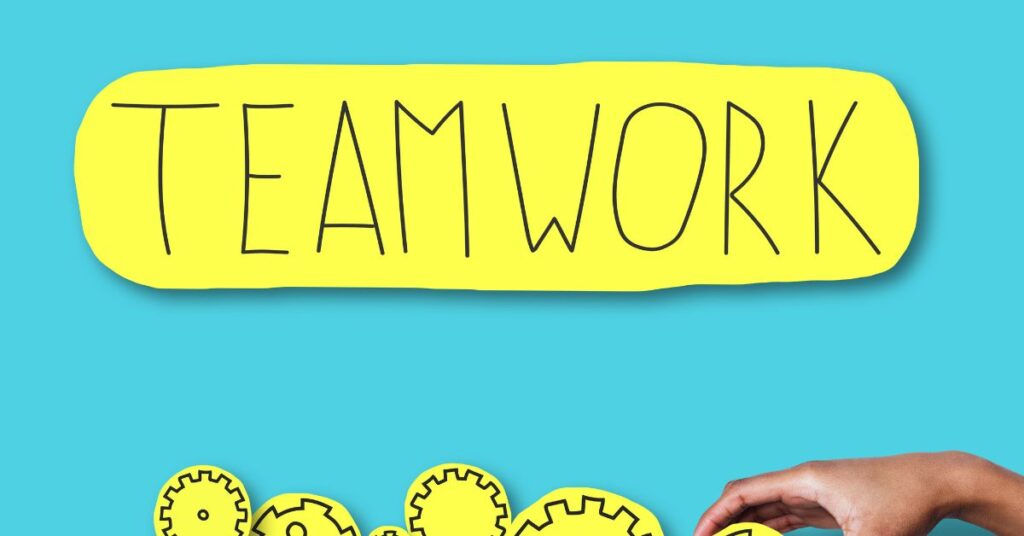
Almost no job happens in isolation. You will need to work with people who have different work styles, communication preferences, and priorities than you do.
The ability to collaborate without creating friction is something employers notice quickly, for better or worse.
How to Improve It
- Make it a habit to acknowledge and give credit to others for their contributions.
- Share important information proactively to keep everyone informed and aligned.
- Raise concerns professionally and focus on solutions rather than assigning blame.
- Practice open, respectful communication even in challenging situations.
- Develop these habits consistently, as strong teamwork and professionalism require ongoing effort.
6. Time Management
Missing deadlines or being consistently unprepared are among the fastest ways to damage your reputation at work.
Good time management is not about doing more. It is about knowing what actually needs to get done and making sure it does.
How to Improve It
- Start each day with a simple and organized task list.
- Identify the two or three most important tasks that must be completed.
- Focus on completing high-priority work before moving on to less critical tasks.
- Differentiate between urgent tasks and important tasks when planning your day.
- Avoid treating every task as equally important to improve productivity and focus.
📍 Looking for Karbi Anglong Jobs?
Job seekers searching for district-wise vacancies can explore our Karbi Anglong Jobs → section for the latest recruitment notifications and employment opportunities in the district.
7. Leadership
This does not mean managing a team. It means taking ownership of your work, following through without being chased, and occasionally stepping up when something needs to be done and nobody else is doing it.
Employers notice this early. It is one of the clearest signals of someone who is ready for more responsibility.
How to Improve It
- Take initiative instead of waiting for instructions or direction.
- Speak up when you identify problems and suggest possible solutions.
- Share your ideas and recommendations to contribute to team success.
- Look for opportunities to add value beyond your assigned responsibilities.
- Volunteer for additional tasks when you have the capacity and resources to do so.
8. Emotional Intelligence
Work involves people, and people are complicated. Emotional intelligence is your ability to manage your own reactions and understand what others are feeling.
Someone who loses their temper under pressure, or who cannot read the room in a difficult conversation, creates problems for the people around them. Employers know this.
How to Improve It
- Pay close attention to your reactions when challenges or setbacks occur.
- Identify recurring patterns in your thoughts, emotions, and behaviors.
- Reflect on how your responses affect your performance and relationships.
- Seek honest and constructive feedback from trusted colleagues or mentors.
- Use self-awareness to recognize strengths, address weaknesses, and continue growing professionally.
9. Customer Service Orientation
Even if your job has nothing to do with customers, you are probably serving someone — a manager, another department, an internal team. The mindset is the same.
It comes down to responsiveness, patience, and actually trying to solve the other person’s problem rather than just answering their question.
How to Improve It
- Treat every internal request with the same professionalism and care you would give a paying customer.
- Respond promptly to questions, requests, and concerns from colleagues.
- Provide clear updates and communicate progress when tasks are ongoing.
- Follow up proactively to ensure issues are resolved and expectations are met.
- Always close the loop by confirming completion and addressing any remaining questions.
10. Data and Analytical Thinking
You do not need to be a data analyst. But being able to read a report, understand a graph, spot a trend, and draw a reasonable conclusion from numbers is useful in almost every role.
Companies are more data-driven than ever in 2026. The more comfortable you are with information, the better your decisions will be.
How to Improve It
- Develop strong spreadsheet skills, including formulas, pivot tables, and basic data visualization.
- Practice analyzing data independently instead of relying solely on others’ interpretations.
- Read business reports, performance summaries, and industry updates regularly.
- Form your own conclusions and insights before reviewing expert opinions or commentary.
- Strengthen your analytical thinking by questioning trends, results, and underlying assumptions.
11. Continuous Learning
The people who advance fastest in their careers are almost always the ones who keep learning after their formal education ends.
This does not mean collecting certificates. It means staying curious, following developments in your industry, and picking up new skills when you need them.
How to Improve It
- Read regularly to stay informed about industry trends, best practices, and new developments.
- Explore nonfiction books, professional publications, and other relevant learning resources.
- Take courses or training programs whenever you identify gaps in your knowledge or skills.
- Maintain a list of topics and skills you want to learn or improve.
- Work through your learning goals consistently to support continuous personal and professional growth.
12. AI Literacy
In 2026, AI tools are no longer optional in most workplaces. They are built into email platforms, HR software, coding environments, customer support systems, and content workflows.
You do not need to understand how these tools work technically. But knowing how to use them effectively, where they are reliable, and where they are not, is fast becoming a baseline expectation across industries.
How to Improve It
- Incorporate AI tools into your daily workflow to improve efficiency and productivity.
- Identify tasks where AI can save time while recognizing situations that require human judgment and review.
- Develop the habit of verifying AI-generated outputs for accuracy and relevance.
- Stay informed about emerging AI technologies and their practical applications.
- Monitor how your industry is adopting AI and continuously update your skills to remain competitive.
How to Build These Skills Without Spending a Lot of Money

Most of these skills do not require expensive training programs. What they require is consistent practice and the willingness to put yourself in situations where you have to use them.
Practical ways to start:
- Take on an internship or part-time work in your field
- Volunteer with organizations where you have real responsibilities
- Join clubs, teams, or groups that require coordination and communication
- Take free courses on platforms like Coursera, Google, or YouTube
- Start a small project and see it through to completion
Real experience will always teach you more than a course alone.